art1- protected perspectives
thoughts on art, ownership, and Ai.
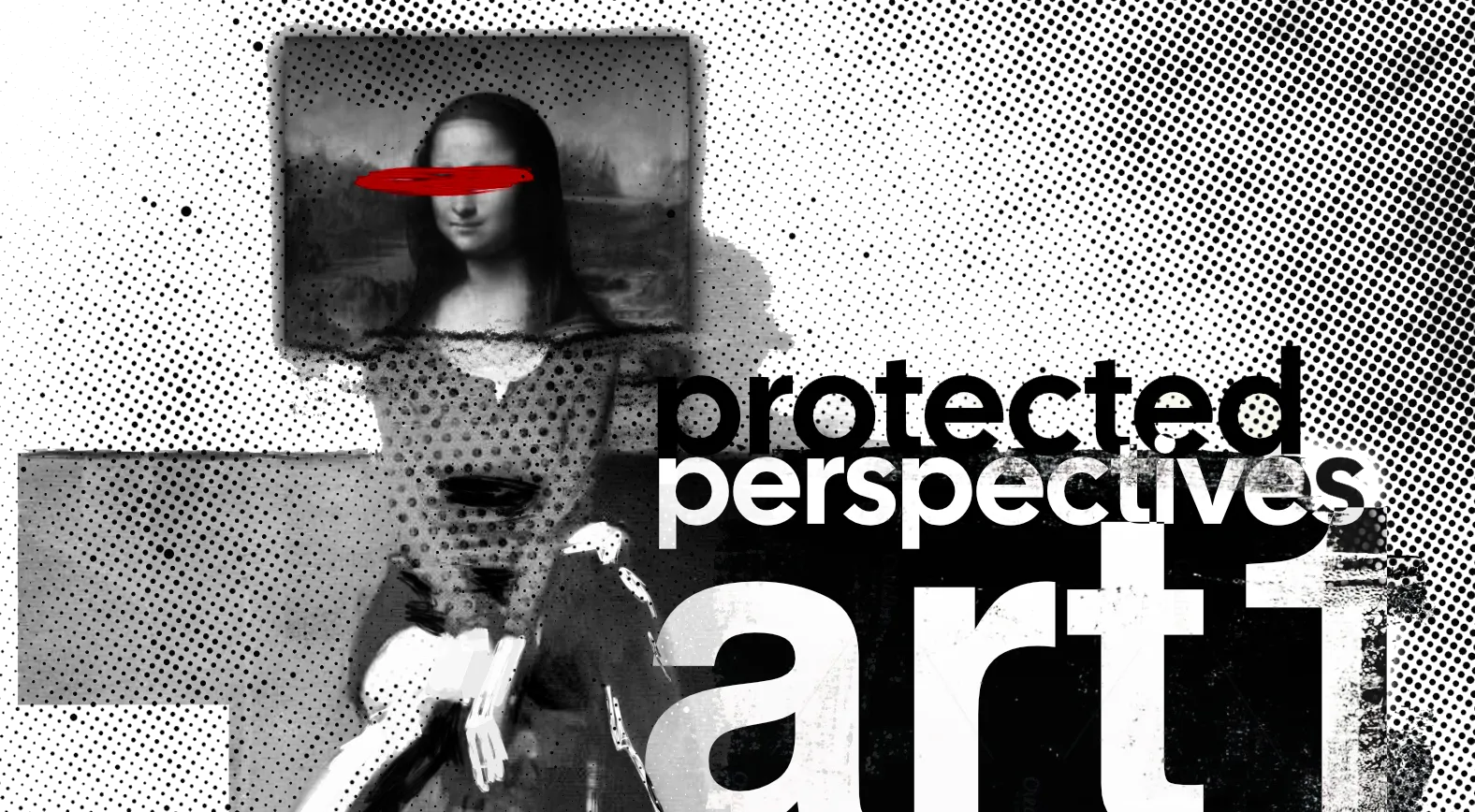
What Is Art?
the Question Before the Question
When someone asks: “Is this art?” Is that really the question they’re really asking, or just the safest question?
It sounds objective. Philosophical. Detached.
But underneath it, I think there’s usually something much more personal.
Maybe they’re really asking:- Does this have any value?
- Does this deserve my respect?
- Is this legitimate?
- Does this threaten what I value?
- Does this diminish the value of what I do?
- If this counts, then what happens to everything I’ve spent years learning?
Those are very different questions, and deserve different answers.
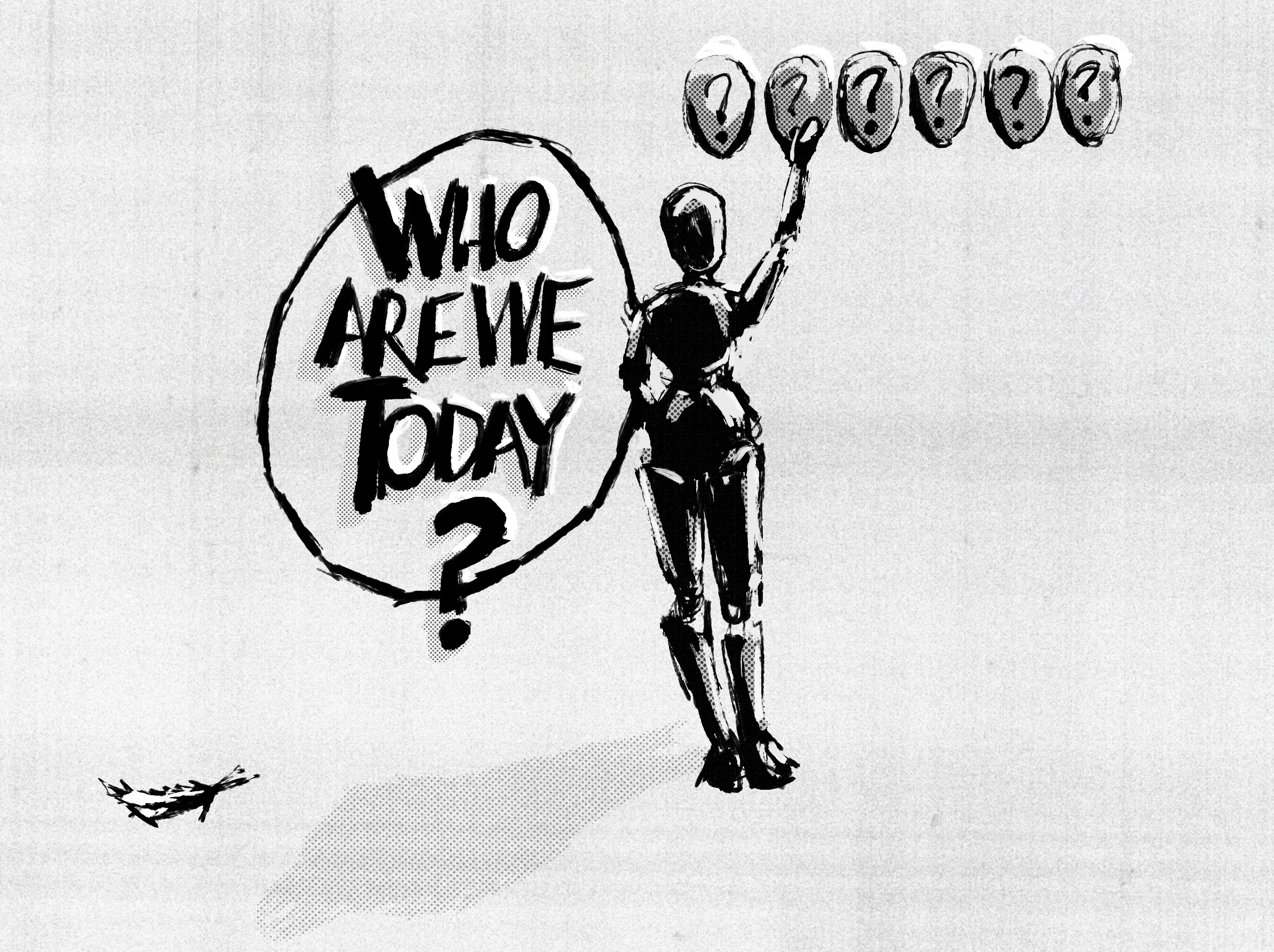
To me, the debate is rarely about the object itself, and seems to be more about ‘us’. Our identities or professions. Our communities. Our fears and our hopes.
The painting, photograph, sculpture, poem, or AI-generated image sitting the spotlight is often little more than a mirror. People gather around it and might argue about the work, when in reality, they’re revealing something personal and how they might see themselves.
Why these conversations can get so emotionally charged…
If it were as simple as a matter of definition, we’d have settled that old chestnut centuries ago. But we haven’t.
…when in reality, they’re revealing something about themselves
Instead, every generation and generational leap redraws the boundary of what’s ‘valid’ and what’s an imposter.
- Photography wasn’t art. Then it was.
- Film wasn’t art. Then it was.
- Comics weren’t art.
- Video games weren’t art.
- Digital art wasn’t “real.”
- Conceptual art certainly wasn’t.
- And street art, sure as shit wasn’t.
Time seems to have a habit of accepting tomorrow what’s rejected today, or was even criminalised. Which you’d think might make us at least a little suspicious when we find ourselves authoratively declaring where the line is today. But we don’t.
Comics weren’t art.
If we’re defining art more broadly:
Something imagined. Then portraiture fails.
Something created by hand. Then photography fails.
A display of technical skill. Then conceptual art fails.
If art is an original creation. Then collage, assemblage, sampling, remixing, and appropriation art all fail.
That doesn’t mean every ‘artform’ is equally meaningful. It doesn’t mean each act of creativity is praiseworthy. It certainly doesn’t mean criticism is invalid. But before we decide whether something is art, I think another question ought to come first.
‘Why does it matter to me?’I’m pretty sure our answer likely says less about the ‘work’, than it does about what we might be trying to protect.
So before we argue over AI, or brushes, cameras, or prompts, or intent, or labour…
I think we need to ask the question before the question.
Not:
Is this art?
But:
Why am I asking?— T.