Building a shed to make dust in
Six drawings, no timber, and a growing suspicion that the drawing was always the point.
I have drawn this shed six times and cut exactly no timber. I’m starting to suspect the drawing was always the point.
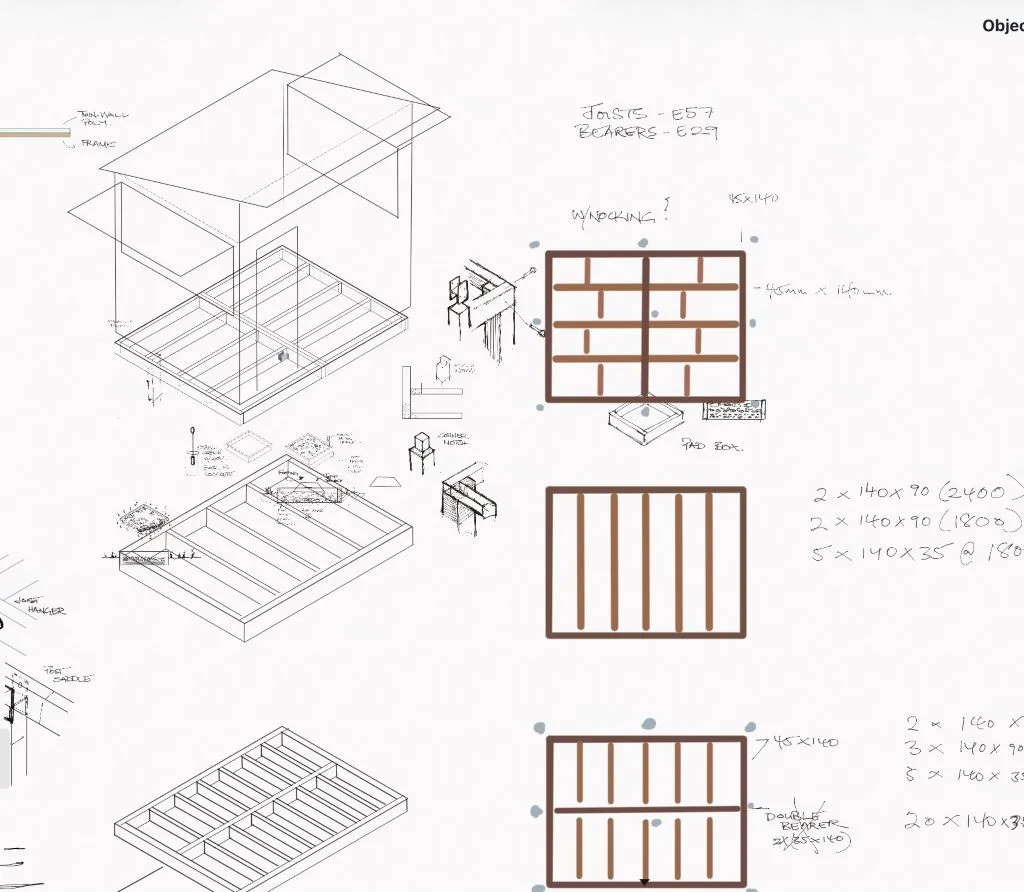
Fig. 1 — joists, bearers, and the eternal question of where the dust extraction goes.
It began as a practical problem. I need somewhere to make a mess — sawdust, offcuts, the particular smell of cut pine — that isn’t the kitchen table. A shed. Four walls, a roof, a door. How hard can it be.
Hard, it turns out, in the most enjoyable way. Every version of the plan answers one question and opens two more. Span the joists at 450 or 600? Where does the bench go, and therefore where does the light need to come from? If the dust extractor lives outside, the wall it bolts to stops being a wall and becomes a decision.
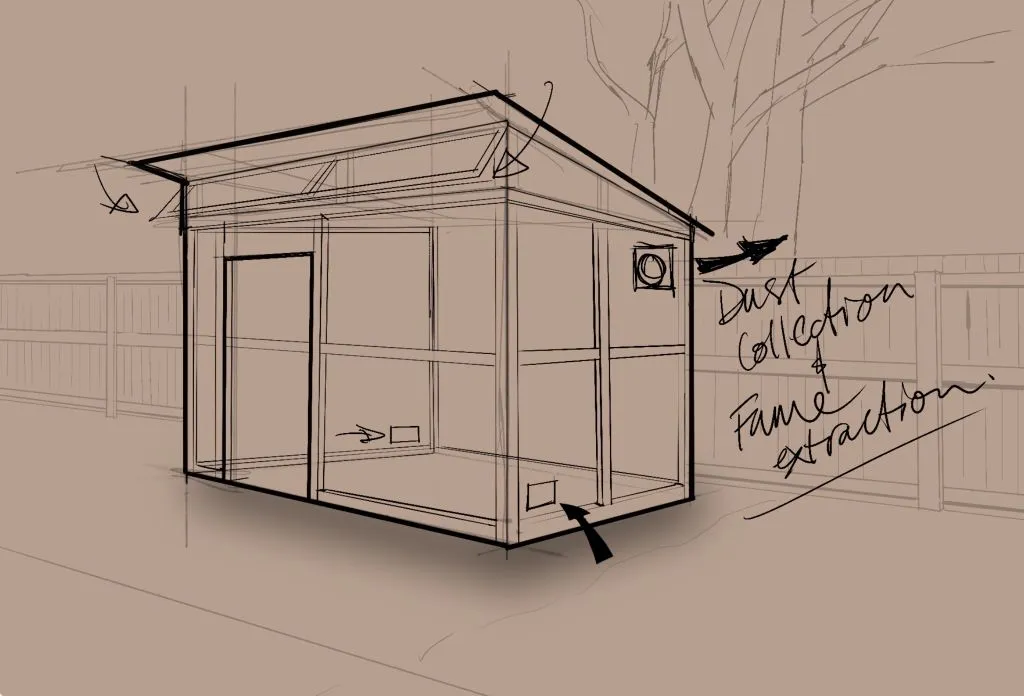
Fig. 2 — the same shed, drawn once I’d stopped arguing with myself. It won’t look like this. It never does.
That gap — between the clean render and the thing that gets built — used to bother me. Now I think it’s where everything interesting lives. The render is a wish. The build is a negotiation with timber prices, a slightly-out-of-square slab, and how much I can be bothered doing on a Sunday.
The render is a wish. The build is a negotiation.
So here are six drawings and no shed, and I’ve decided that’s a perfectly good thing to have made. The plans are real. The thinking is real. Somewhere in the pile is the version I’ll actually build, and I’ll only know which one it was after the fact.
When the timber finally arrives, I’ll photograph that too — the spilled-ink version, splinters and all. Until then, the drawings are the work.
— T.